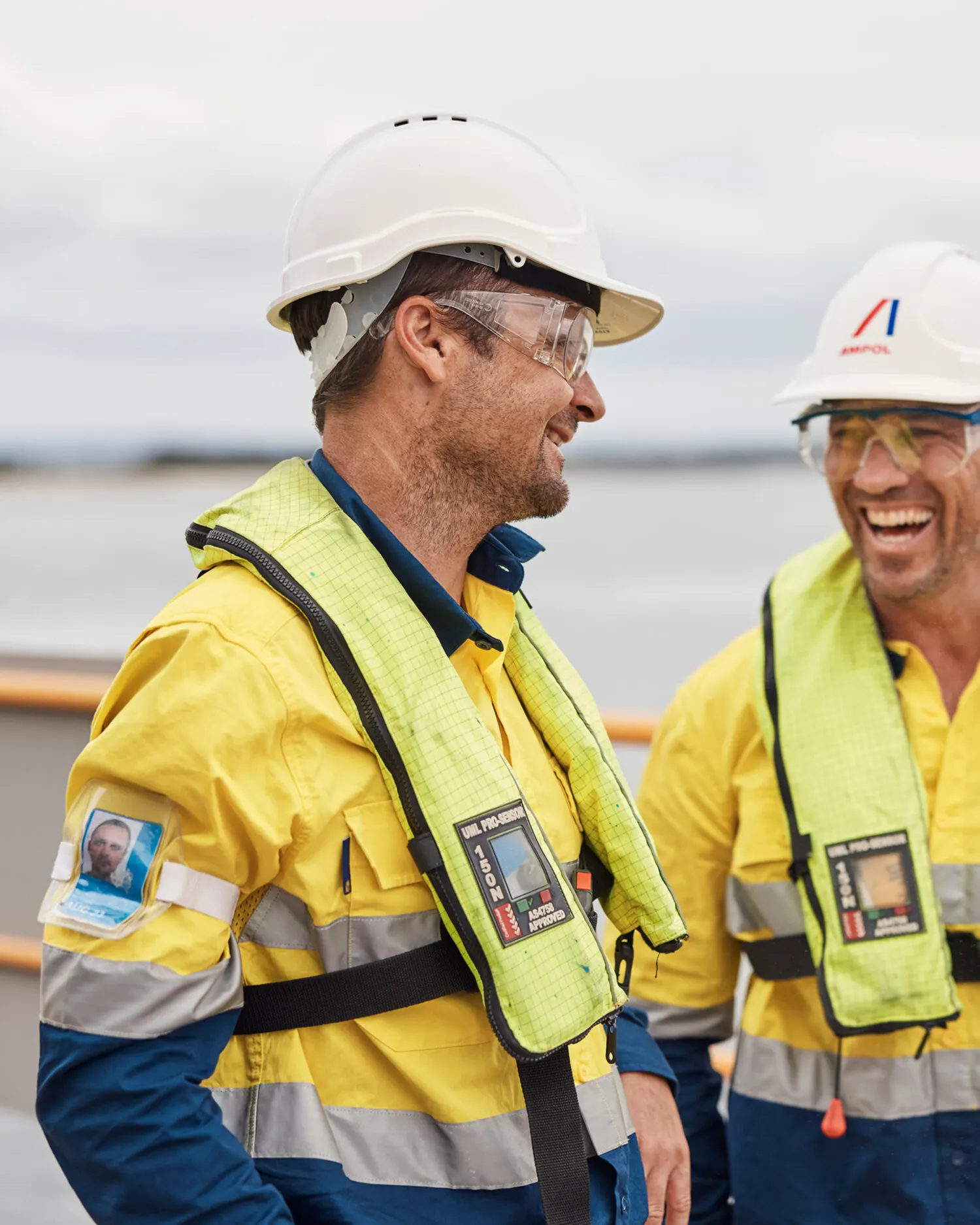
The US construction industry continues to rank among the most dangerous sectors, with roughly 20% of worker fatalities despite construction workers representing just 6% of the US labor force. The industry grapples with an average of 382,000 job openings each month and the need for 500,000 more workers, while facing evolving safety challenges from new OSHA regulations including mandatory properly-fitting PPE requirements effective January 2025. Mental health has emerged as a critical concern, with construction's suicide rate at 53.2 per 100,000 workers—four times the national average—and opioid-related challenges significantly impacting the workforce. The sector must balance immediate safety needs with technological advancement, as companies integrate AI, robotics, and smart PPE while maintaining focus on the "Fatal Four" hazards of falls, electrocutions, struck-by incidents, and caught-in-between accidents that continue to dominate injury statistics. Construction sites present unique opportunities for instant safety recognition, where crews working at heights, operating heavy equipment, or managing complex coordination between trades can receive immediate rewards for safe behaviors that prevent the devastating accidents that plague the industry. Recognizing workers for proper fall protection usage, accurate hazard communication, thorough equipment inspections, and maintaining clean, organized work areas creates positive peer pressure that elevates entire crew performance. Mobile-enabled reward systems can reach workers across sprawling job sites, providing real-time feedback for everything from proper ladder positioning to effective toolbox talks, while also supporting mental health initiatives by building team cohesion and individual pride. By gamifying safety metrics and creating friendly competition between crews or projects, construction companies can address both physical safety and psychological wellbeing, building cultures where workers look out for each other and take ownership of site safety rather than viewing it as management's responsibility alone.